
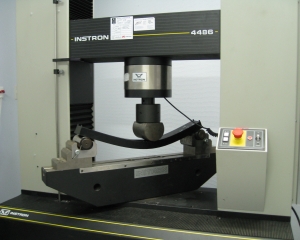
Non-Destructive Testing (NDT) are non-invasive techniques to determine the integrity of a material, component or structure or quantitatively measure some characteristic of an object. In contrast to destructive testing, NDT is an assessment without causing harm, stress or destroying the test object. The destruction of the test object usually makes destructive testing more costly and it also inappropriate in many circumstances.
NDT plays a crucial role in ensuring cost effective operation, safety and reliability of plant, with resultant benefit to the community. NDT is used in a wide range of industrial areas and is used at almost any stage in the production or life cycle of many components. The mainstream applications are in oil refineries, oil exploration, pipelines, power generation, automotive, railway, petrochemical and many other industries. NDT on welding is one of the most popular applications.
The reliability of an NDT method is an essential issue. Each NDT method has its own set of advantages and disadvantages, and thus, some are better suited than others for a particular application. A personnel having the requisite NDT qualification is an important aspect of non-destructive evaluation.
NDT techniques rely heavily on human skill and knowledge for the correct assessment and interpretation of test results. Proper and adequate training and certification of NDT personnel is therefore, a must to ensure that the capabilities of the techniques are fully exploited.
The qualification and certification of NDT personnel - General Principle is based on American Society for Non-Destructive Testing (Miami, USA) ASNT SNTTC-1A which is widely accepted all over the world.